If you require prompt and trustworthy chimney repair in Seattle, you must address warning signs like deteriorating masonry, dampness issues, or smoke backing into your home. Prompt response stops dangerous conditions and expensive structural issues common in Seattle's rainy conditions. Depend on licensed experts for complete more info inspection, water infiltration checks, stonework restoration, and waterproofing—all meeting code-compliant methods and safety standards. Maintain vigilance; routine checks and quick fixes maintain your house's functionality and integrity. Discover important guidelines and expert guidance to safeguard your chimney now.
Essential Points
Key Indicators Your Chimney Needs Repairs
While your chimney might look sturdy from the outside, subtle warning signs can indicate hidden issues affecting safety and performance. Watch carefully for smoke entering your home, as this often points to a blockage or damage within the chimney flue. Heavy soot buildup on interior surfaces or at the fireplace opening also signals poor airflow and increased fire risk. You may detect a strong, persistent odor—this often means creosote or soot is building up, restricting proper ventilation. Damaged mortar joints, shifting bricks, or apparent cracks point to structural issues that may rapidly deteriorate without attention. By watching for these warning signs, you'll maintain your chimney's safe function and lower the chance of safety issues. Arrange for a professional assessment at the first sign of trouble.
Common Chimney Issues in Seattle Homes
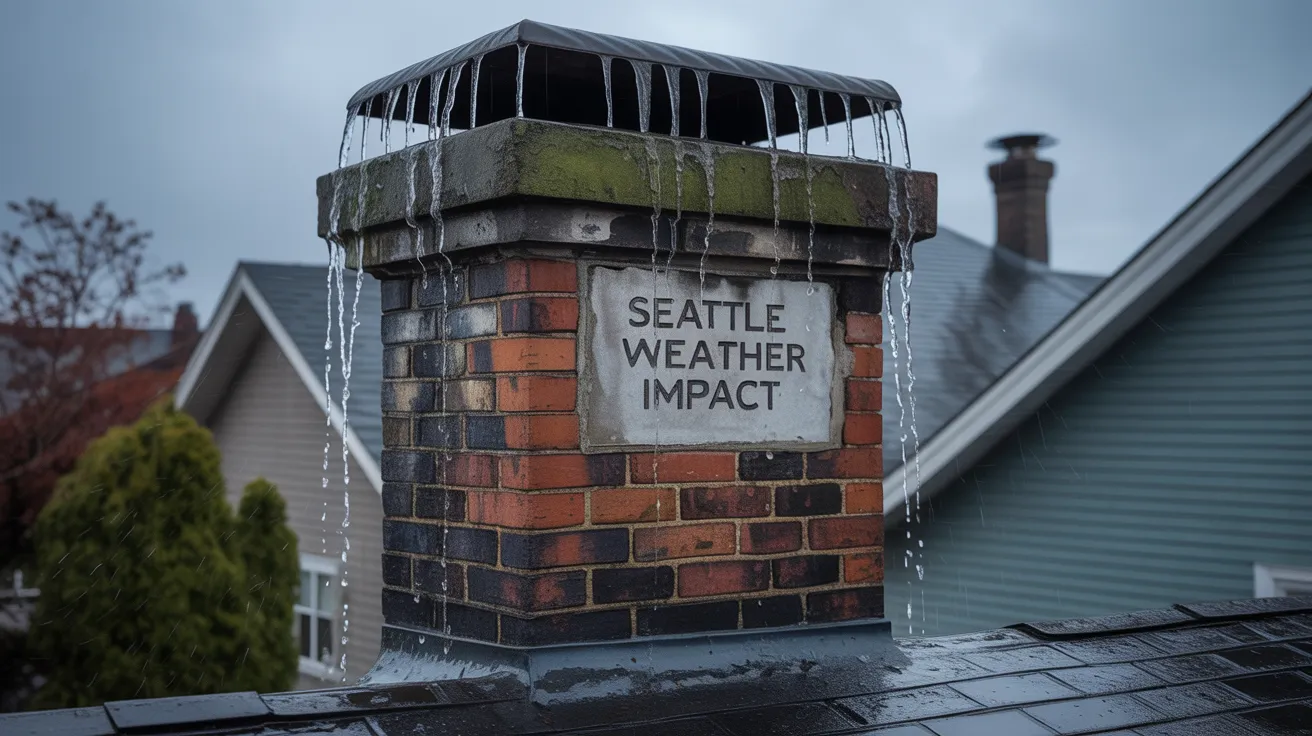
The wet climate of Seattle commonly speeds up chimney deterioration and introduces distinct upkeep problems for homeowners. Dampness leads to brick spalling, mortar deterioration, and corrosion of metal components. If you skip routine chimney cleaning, creosote and soot build up rapidly due to the local wet weather and cool temperatures, elevating the danger of clogs and fire risks. You could observe efflorescence—white staining—on your chimney, indicating water infiltration. Deteriorated or lacking chimney caps allow rain and debris to enter, further damaging structural integrity.
A detailed flue inspection is crucial because continuous moisture encourages mold and weakens the flue liner, posing risks for venting fumes and emissions. Resolving these typical issues with scheduled chimney cleaning and comprehensive flue inspection maintains your Seattle home's chimney efficient and secure.
Why Prompt Chimney Repair Matters
Resolving chimney issues in a timely manner allows you to prevent costly structural damage that may affect your home's integrity. You'll furthermore reduce fire risk by clearing hazards like creosote buildup or masonry cracks. Immediate repairs make certain your chimney functions efficiently, enhancing both indoor comfort and energy efficiency.
Protecting Against Structural Problems
As water seeps into your chimney structure, it hastens the breakdown of bricks, deteriorates the mortar, and affects structural soundness. Left untreated, minor fissures grow, permitting additional water seepage and causing expensive restoration or even structural failure. Routine maintenance enables early detection of these issues before they worsen, eliminating debris that can hold water near internal surfaces. Examining and servicing your flue lining is critical, as damaged linings expose masonry to corrosive byproducts and more water damage. By responding immediately, you stop freeze-thaw cycles from causing bricks to spall and mortar breakdown. Addressing minor damage now avoids extensive rebuilding later. Prioritize professional assessments to ensure your chimney's durability, safety, and performance for years. Quick response protects your home's structure and security.
Minimizing Fire Hazards
Should your chimney display cracks, loose bricks, or deteriorating mortar, it could quickly develop into a major fire hazard. Compromised areas and weak points enable hot embers and dangerous heat to seep into nearby flammable materials, raising the likelihood of a house fire. To ensure optimal chimney safety, you need immediate fixes to fix these weak points and rebuild the chimney's integrity. Addressing damage immediately makes certain that dangerous creosote doesn't accumulate in hidden spaces, further reducing the chance of ignition. Moreover, damaged chimney liners can allow toxic gases to escape into your home, compounding safety risks. Don't postpone for small issues to worsen; prompt, expert repair is vital for reliable fire protection and enduring safety in your Seattle home.
Boosting Home Efficiency
While chimney damage typically seems minor in the beginning, even tiny cracks or gaps can considerably compromise your home's energy efficiency. When your chimney is damaged, conditioned air escapes, causing your heating or cooling system to work harder. This doesn't just elevates your utility bills but also adds excessive strain on your heating and cooling equipment. Prompt chimney fixes, along with routine chimney maintenance, guarantees your fireplace functions at optimal efficiency and prevents expensive energy loss.
When planning a new fireplace installation, it's crucial to address present chimney concerns. Damaged masonry or damaged flue liners can significantly impact the effectiveness of modern fireplaces, decreasing their energy efficiency. When you repair your chimney in a timely manner, you can maintain a pleasant indoor environment, realize lower energy costs, and guarantee your home's systems perform reliably and safely.
The Chimney Repair Process Explained
You'll start with a comprehensive evaluation and damage analysis to identify potential safety or structural issues in your chimney. After identifying the problems, you can pick the most appropriate repair methods, from masonry restoration to chimney liner installation. Every phase focuses on both the security and stability of your home.
Inspection and Damage Assessment
Before any repairs can begin, a thorough inspection and damage assessment is crucial for a safe and effective chimney repair process. You'll need a qualified professional to inspect your chimney thoroughly, looking for deterioration, cracks, and loose bricks. Close examination focuses on chimney soot buildup, which can mask deeper issues and increase fire risks. The technician will check examining flue blockages, which may stop proper ventilation of hazardous emissions and compromise your home's air quality. With professional tools and cameras, they will evaluate hard-to-reach spots, searching for signs of moisture problems, corrosion, or animal intrusions. Through detailed documentation of problem areas, you'll have a complete picture of areas needing work, ensuring all repairs target root causes—not just surface symptoms.
Comprehensive Repair Methods Overview
After the inspection identifies key concerns, the restoration work can begin with targeted solutions aimed to return safe operation. Technicians typically start with thorough soot removal to remove hazardous buildup and optimize airflow. When the liner is compromised, they will suggest either relining or replacing it to avoid dangerous gases from seeping inside and to safeguard masonry from heat damage. Damaged bricks or mortar joints require masonry repair or replacement to ensure the chimney's structural integrity. Water-resistant applications may be applied to prevent future moisture intrusion. For extensive deterioration, rebuilding work could be necessary. Every repair technique strives to resolve the root causes, guaranteeing your chimney stays secure, effective, and in line with Seattle's building codes.
Chimney Leak Detection and Solutions
Although chimney leaks frequently go unnoticed until they create visible damage, prompt identification is essential to preventing expensive structural damage and health risks. Look for warning signs like water marks on interior surfaces near your chimney, wet and moldy odors, and rusted firebox parts. Professional chimney leak inspection involves a thorough evaluation of the cap, crown, and flashing to pinpoint water entry locations. Professionals utilize dedicated tools to assess unseen water damage and structural vulnerabilities. Once found, established leak repair methods—like resealing flashing, installing new chimney caps, or applying waterproofing agents—can efficiently resolve the issue. By tackling leaks quickly, you'll protect your home from mold development, deteriorating brickwork, and further moisture problems, maintaining long-term chimney safety and functionality.
Masonry Repair and Brick Replacement
Upon discovering damaged or deteriorating masonry on your chimney, immediate repair work is crucial to ensure structural soundness and stop dangerous situations. Deteriorating brick and mortar let water seep in, leading to rapid deterioration and risk of breakdown. You need a professional expert to inspect the deterioration, making sure the right masonry restoration techniques are used. During masonry restoration, experts carefully remove damaged masonry, find matching materials for your chimney, and utilize superior bonding materials for a flawless fix. This comprehensive approach not only enhances aesthetic quality but also prevents further structural issues. Don't overlook these repairs—fixing issues immediately will increase system longevity and maintain household safety from potential dangers.
Expert Chimney Cap and Crown Solutions
The chimney cap and crown serve as your chimney's main safeguards against water penetration and animal entry, their condition significantly affects your home's safety and the chimney's lifespan. Should your cap be missing, rusted, or damaged, water may leak down the flue, leading to interior deterioration and potential mold issues. A secure, correctly positioned chimney cap also stops birds, rodents, and debris from clogging your venting system. The chimney crown seals the top of your masonry, protecting bricks and mortar from seasonal freezing and erosion. Breaks or crumbling in the crown enable moisture to seep in, threatening structural integrity. Routine checkups and timely repairs of both the chimney cap and chimney crown ensure you keep a safe, efficient, and durable chimney system.
Choosing the Ideal Chimney Maintenance Professional
Selecting a qualified chimney repair contractor demands careful assessment of certifications, safety procedures, and technical expertise. You should ensure that the company maintains proper permits, insurance, and certifications from recognized industry associations. Ask about their expertise with both chimney cleaning and complex venting solutions to verify they can manage your system's unique needs. Technicians must comply with current safety regulations, employ protective equipment, and implement strict guidelines to eliminate mishaps or fire risks. Evaluate their history by checking testimonials and analyzing customer testimonials centered on dependability and expertise. It's also important to ensure that they employ industry-approved materials and methods for all services. By emphasizing these elements, you'll guarantee your chimney repair work is completed properly, effectively, and to the best technical requirements.
Essential Tips for Chimney Maintenance
Schedule regular chimney inspections to identify potential safety and structural issues early on. Prevent creosote buildup by maintaining proper cleaning schedules and solely using properly seasoned firewood. It's also crucial to apply proper waterproofing and sealing to shield your chimney from the frequent rainfall in Seattle.
Scheduled Chimney Evaluations
Despite being frequently overlooked by homeowners, arranging routine chimney inspections is essential for preserving a reliable and properly functioning fireplace system. You should have your chimney inspected once every year by a qualified expert who can detect structural problems, clogs, or wear patterns. Regular checks are crucial in guaranteeing safe operation by detecting potential issues before they worsen. A complete inspection will additionally assess if a cleaning service is required to clear debris or obstructions that could impede proper ventilation. Certified technicians utilize specialized tools and cameras to assess the flue, liner, and masonry, offering a thorough analysis. By prioritizing regular inspections, you'll safeguard your property against risks, prolong your chimney's durability, and maintain optimal fireplace performance.
Creosote Buildup Prevention
Some crucial preventative maintenance steps can substantially reduce the risk of creosote buildup within your chimney. Only use properly seasoned wood, as it generates less smoke and reduces residue. Verify that your fireplace damper is completely open during operation to enhance airflow, which supports efficient combustion and reduces creosote formation. Book professional chimney maintenance at least once a year—creosote removal by a certified technician is crucial to prevent dangerous accumulations. Monitor your firebox and flue routinely for early signs of buildup, such as dark, tar-like deposits. Tackle these immediately to avoid a serious fire hazard. Don't overload the firebox or burn unapproved materials, as both can increase creosote buildup. Following these steps will help keep your chimney safer and more efficient.
Sealing and Waterproofing Services
Why does water infiltration pose such a significant threat to your chimney's integrity? When rain infiltration seeps into your masonry, it often results in serious damage, crumbling bricks, and corroding metal parts. Water deteriorates mortar joints and establishes optimal conditions for freeze-thaw deterioration, weakening the entire system. To avoid these expensive problems, ensure adequate waterproofing and sealing measures.
Start with a detailed assessment for openings or fissures that can enable water entry. Following this, conduct a professional-grade sealant application particularly made for chimneys—avoid using generic water repellents, as they may trap moisture. Ensure the sealant is moisture-permeable, permitting the chimney to "breathe" while preventing rain penetration. Regularly refresh sealant every few years to maintain maximum protection. This preventive step extends your chimney's life and maintains your home secure.
Booking Your Chimney Inspection and Maintenance
Don't wait for damage to worsen or safety concerns to escalate, arrange for a qualified expert to inspect and repair your chimney. An expert will thoroughly evaluate the entire system, detecting any safety issues such as flue complications or the need for immediate chimney cleaning. Don't ignore these essential tasks—residue deposits or clogs can create dangerous fire conditions or lead to harmful carbon monoxide infiltration in your residence.
Make your appointment annually, or when extreme weather occurs, to ensure your chimney's durability and performance. During the inspection, professionals employ specialized instruments to examine the entire chimney system, delivering detailed guidance for any required maintenance work. By staying proactive, you'll avoid costly damage, preserve ideal air quality, and maintain your heating system operates safely all season long.
Popular Questions
What Are the Average Costs for Seattle Chimney Repairs?
As you consider chimney repair in Seattle, you can anticipate to pay between $300 for simple repairs to $3,000 or more for major restoration. You should schedule a chimney inspection first—professionals can identify hidden issues and ensure proper function. Chimney cleaning generally runs $150–$350 and might expose maintenance requirements. Be sure to employ certified technicians; they'll apply appropriate tools and approaches to keep your home safe and your fireplace functioning efficiently.
Are Permits Required for Seattle Chimney Repairs?
Think permits are just for massive buildings? Think again! In Seattle, you'll need a permit for most chimney repairs, especially those involving structural changes or masonry work. Even routine chimney cleaning and safety checks must follow conformity to local codes to maintain safety. Make sure to consult Seattle's Department of Construction and Inspections, because avoiding proper documentation could lead to serious problems, unsuccessful assessments, or hazardous conditions for your property and loved ones.
Should You Use Your Fireplace During Maintenance Work?
It's important not to use your fireplace during ongoing repairs. To ensure proper fireplace safety, wait for all repair work is finished and properly inspected. Operating your fireplace while work is ongoing can expose you to structural failures, toxic fumes, or fire risks. Maintain clear communication with your contractor concerning repair scheduling and check when it's safe to restart operation. Focusing on safety guarantees your fireplace to operate safely and efficiently and keeps safe your home and family.
Does Homeowners Insurance Cover Chimney Repair?
View insurance coverage as being similar to an umbrella—it guards you from unforeseen disasters, but not regular deterioration. Homeowners insurance might pay for chimney repair if damage results from a covered peril, such as falling trees or fire damage. You won't be covered for damage caused by lack of maintenance or wear and tear. To initiate the claim process, document the damage thoroughly and reach out to your insurance company immediately. Make safety your top priority by getting a certified professional inspect your chimney's condition.
How Long Does a Standard Chimney Repair Take?
A typical chimney repair generally requires one to three days, based on the amount of damage found during your chimney inspection. When only minor masonry work is required, you'll experience shorter turnaround times. More extensive work, like sectional rebuilding, can extend the timeline. You need to focus on safety by scheduling a professional inspection initially, as this guarantees all ventilation and structural problems are addressed thoroughly before any masonry restoration or other repairs begin.
Wrapping Up
Don't wait until your living room looks like a scene from Seattle's own version of "Old Faithful"—with soot and water bursting from your neglected chimney. You've seen the signs, you know the risks, so grab your phone not a mop. Focus on safety and efficiency by booking a professional inspection today. With skilled service and sharp eyes, you'll keep your home dry, your air clean, and prevent your chimney from becoming a safety hazard.